
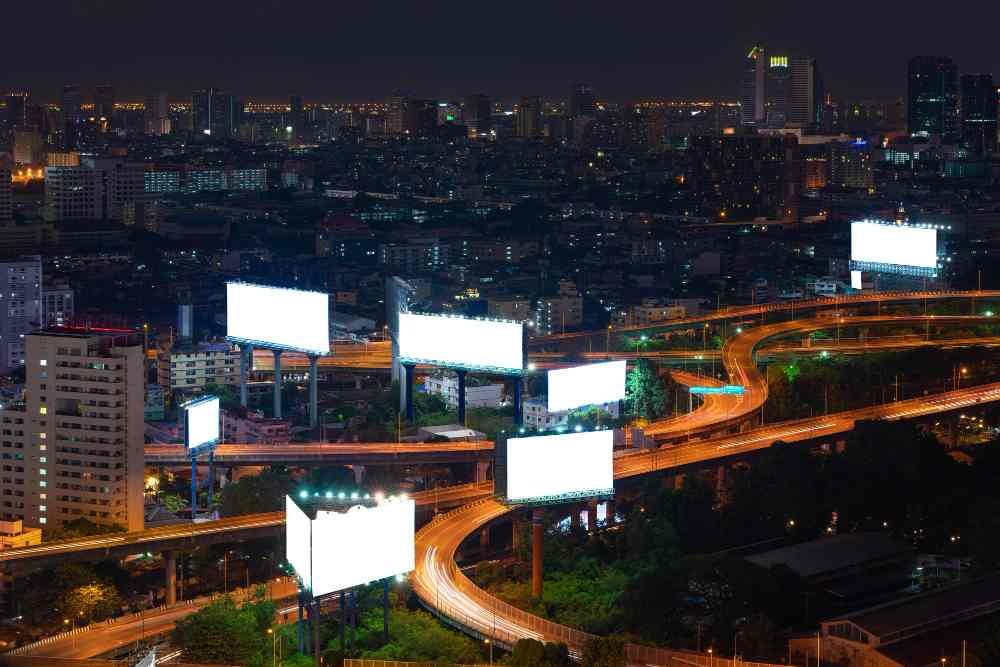
Malaysia’s vibrant and diverse commercial landscape, from the gleaming skyscrapers of Kuala Lumpur to the bustling shopping havens of Selangor and the dynamic event spaces of Penang, demands communication tools that are both impactful and resilient. LED screen technology has become the gold standard for advertising, information dissemination, and entertainment. However, the unique Malaysian environment—characterized by intense tropical sun, high humidity, and frequent heavy rainfall—poses specific challenges that make not all LED screens equally suitable.
Choosing the right type of LED display is not just about resolution and size; it’s about selecting a solution engineered to thrive in local conditions while delivering a strong return on investment. This guide explores the most suitable types for LED screen display Malaysia, balancing performance, durability, and application.
The Malaysian Environment: The Ultimate Stress Test
Before delving into types, it’s crucial to understand the environmental factors that dictate suitability:
- High Ambient Brightness: The intense, year-round sunlight requires displays with very high brightness levels to ensure content remains visible and vibrant.
- Heat and Humidity: Consistently high temperatures and humidity levels can degrade electronic components, leading to colour shift, reduced lifespan, and premature failure if the screens are not properly built.
- Torrential Rain and Dust: Outdoor screens must be completely sealed against monsoon rains and the pervasive dust and pollution of urban areas.
These factors make IP (Ingress Protection) Rating and Brightness the two most critical technical specifications for any LED screen in Malaysia.
The Most Suitable LED Screen Types for Key Applications
1. High-Brightness Outdoor Fixed Screens
- Best For: Corporate branding on building facades, digital billboards along highways, and shopping mall exteriors.
- Key Specifications:
- Pixel Pitch: P6 to P10. The longer viewing distances common outdoors make a finer pitch unnecessary and costly.
- Brightness: 7,500 to 10,000 nits or higher. This is non-negotiable to combat direct sunlight.
- IP Rating: IP65 or IP66. This ensures the screen is fully dust-tight and protected against powerful water jets, making it resilient against Malaysia’s heavy downpours.
- Durability: Cabinets should be made of robust, corrosion-resistant aluminium with integrated thermal management systems (heat sinks and fans) to dissipate the intense heat generated by the high-brightness LEDs.
2. Fine Pixel Pitch (FPP) Indoor Screens
- Best For: Corporate lobbies, boardrooms, broadcast studios, control rooms, and high-end retail (experiential zones).
- Key Specifications:
- Pixel Pitch: P1.2 to P2.5. For close viewing distances, a fine pitch is essential to deliver a sharp, seamless image without visible pixelation.
- Brightness: 800 to 1,500 nits. This is sufficient for indoor lighting conditions and prevents the screen from being uncomfortably bright for viewers.
- IP Rating: Typically IP20 or IP30. The primary concern indoors is dust, not water. These ratings protect against the ingress of solid particles.
- Viewing Angle: A wide viewing angle (160°+) is crucial for spaces where people will be viewing the screen from various positions.
3. Rental & Event Screens
- Best For: Concerts, exhibitions, product launches, corporate annual dinners, and roadshows.
- Key Specifications:
- Pixel Pitch: P2.5 to P4.0. This offers a good balance between image quality for medium viewing distances and cost-effectiveness for rental stock.
- Brightness: 4,500 to 6,000 nits. This allows them to be used in both covered outdoor event spaces and bright indoor halls.
- Durability & Design: These screens are built into lightweight, yet rugged, cabinets that can be quickly assembled, dismantled, and transported. They often feature front-serviceability, allowing for fast module swaps between event sets.
- IP Rating: IP43 or similar is common, offering protection against splashing water for short-term outdoor use, though they often require temporary weatherproof covers during heavy rain.
4. Transparent LED Screens
- Best For: Retail storefronts, shopping mall atriums, and showroom windows.
- Key Advantage: They maintain visibility through the screen, allowing businesses to display dynamic content without completely blocking the view into the store or the outside world. This is perfect for keeping an open, inviting atmosphere while captivating passersby with digital content.
- Specifications: Transparency rates can range from 60% to 90%. Brightness needs to be high (5,000+ nits) for use in bright, glass-fronted environments.
Making the Strategic Choice: Key Considerations
Selecting the right screen involves a strategic balancing act:
- Viewing Distance vs. Pixel Pitch: The closest viewer should not be able to distinguish individual pixels. Use the formula: Minimum Viewing Distance (meters) = Pixel Pitch (mm) x 1.5. For a P3 screen, the ideal minimum viewing distance is 4.5 meters.
- Content Type: Is it primarily high-resolution video, or is it text and graphics? Video content demands a finer pixel pitch for detail, while large text can be clearly displayed on a coarser pitch.
- Total Cost of Ownership (TCO): Look beyond the initial purchase price. Consider:
- Energy Efficiency: High-brightness screens consume more power. Look for energy-efficient LED technology.
- Maintenance & Support: A screen with a local warranty and reliable after-sales service from a supplier like Interlight Technology is crucial. A cheap screen with no support can become a costly liability.
Conclusion: An Investment in Resilient Impact
The Malaysian market offers immense opportunities for businesses that can capture attention. An LED screen is a powerful tool to do just that, but its success hinges on its suitability for the local climate and its specific application. By prioritizing environmental resilience—specifically high brightness and a robust IP rating for outdoor use—and matching the screen’s technical specs to the viewing conditions, businesses can invest with confidence.
Whether it’s a towering P8 billboard defying the sun on the NKVE highway or a pristine P1.8 video wall impressing clients in a KL corporate headquarters, the right LED screen acts as a resilient, dynamic, and highly effective ambassador for your brand in the heart of Southeast Asia.
Frequently Asked Questions (FAQs)
1. What is the minimum IP rating I should consider for an outdoor LED screen in Malaysia?
For any permanent outdoor installation in Malaysia, an IP65 rating is the absolute minimum standard. This rating guarantees the screen is «dust-tight» and protected against water jets from any direction, making it capable of withstanding heavy tropical rain. For areas prone to even more extreme weather, an IP66 rating provides an additional safety margin.
2. Is it worth investing in a finer pixel pitch (e.g., P2.5) for an outdoor screen?
Generally, no. A finer pixel pitch significantly increases cost and requires much higher brightness to achieve the same visibility in direct sunlight, which in turn increases power consumption and heat generation. For most outdoor applications where viewers are tens of meters away, a P6 to P10 pitch provides excellent clarity at a much more sustainable total cost of ownership.
3. Can I use an indoor LED screen for a temporary outdoor event?
It is highly discouraged and risks destroying the screen. Indoor screens lack sufficient brightness to be visible in daylight and offer no protection against moisture. Even a sudden downpour can cause short circuits and permanent damage. Always use purpose-built outdoor or rental-grade screens for any outdoor application.
4. How does the heat in Malaysia affect the lifespan of an LED screen?
Heat is the primary enemy of electronics. Consistent exposure to high ambient temperatures can cause the LEDs and driver components to degrade faster, leading to dimming, colour inaccuracies, and a shorter overall lifespan. This is why it is critical to choose screens with effective cooling systems (e.g., aluminium heat sinks, and well-ventilated cabinets) and to ensure they are installed with adequate airflow.
5. What is the typical lifespan of a high-quality outdoor LED screen in the Malaysian climate?
A high-quality outdoor LED screen from a reputable manufacturer, properly maintained, can have a lifespan of approximately 100,000 hours to half-brightness. In the demanding Malaysian climate, rigorous maintenance is key to achieving this. This includes regular cleaning to prevent dust buildup (which traps heat), software calibration, and timely replacement of any failed modules to avoid strain on adjacent components.