
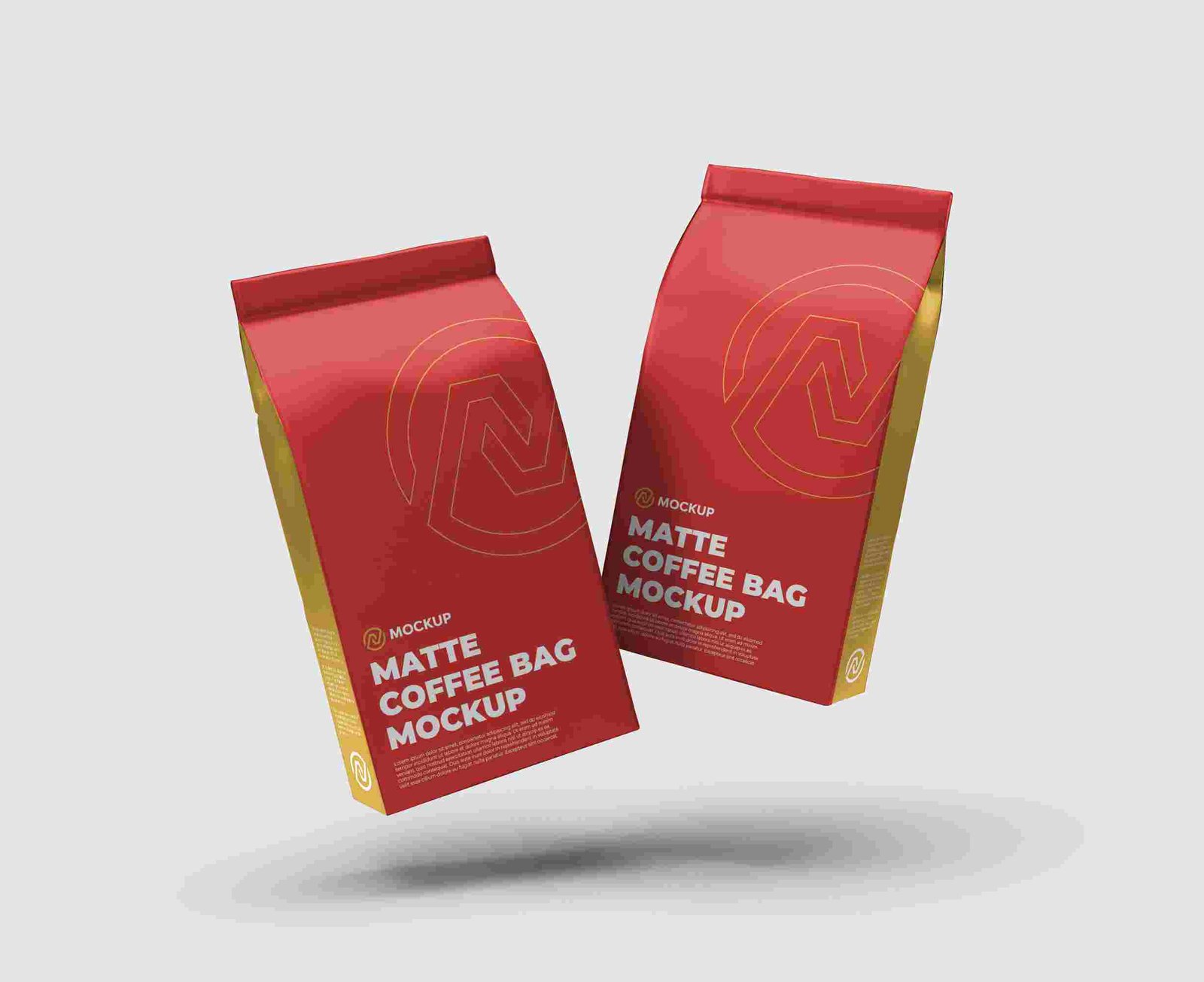
In the global coffee industry, the spotlight rightly shines on farmers, roasters, and baristas. Yet, there is a critical, often invisible, link in the chain that ensures the fruits of their labor reach you in perfect condition: the multi-national packaging supplier. These industrial giants operate on a scale spanning continents, combining materials science, global logistics, and deep consumer insight to create the vessels that protect one of the world’s most beloved commodities. They are the silent partners in freshness, enabling a local roaster in Seattle, a supermarket private label in Europe, and an instant coffee brand in Southeast Asia to deliver quality products.
The role of these suppliers extends far beyond simply manufacturing bags and boxes. They are integral to the entire coffee ecosystem, providing solutions that address the paramount challenges of preservation, branding, sustainability, and supply chain resilience. A company like Sonoco, a multi-billion-dollar global provider of consumer, industrial, and protective coffee packaging, exemplifies this scale and sophistication. With a significant presence in the Asia-Pacific region through Sonoco Asia, they illustrate how a global player can service diverse markets—from the mature specialty scenes in Australia and Japan to the rapidly expanding consumer bases in China and Indonesia—with tailored, innovative solutions.
The Scale of a Global Supplier: More Than Just Manufacturing
What truly sets a top multi-national supplier apart is its integrated, end-to-end capability.
1. Global Reach with Local Expertise
A company like Sonoco doesn’t just ship products from a central factory. It operates numerous manufacturing facilities across the globe, including strategic locations throughout Asia. This decentralized model is crucial. It means a coffee brand in Vietnam can source its packaging locally, reducing lead times, minimizing shipping costs, and lowering its carbon footprint. More importantly, it allows the supplier to understand and respond to regional preferences—whether that’s the specific type of portion-pack for Vietnam’s robust instant coffee market or the stand-up pouches favored by third-wave roasters in Seoul.
2. A Holistic Portfolio for Every Segment
The coffee market is not monolithic. It spans whole bean specialty coffee, ground coffee for filter machines, single-serve capsules, and large-scale instant coffee. A top-tier supplier offers a solution for every single one. Their portfolio is a comprehensive toolkit:
- Brick Pillow Bags: The workhorse of the grocery aisle, often with high-quality flexographic printing for brand impact.
- Stand-up Pouches: The standard for specialty coffee, featuring integrated degassing valves and resealable zippers.
- Rigid Paper Canisters: Offering a premium, shelf-stable option that communicates quality and is highly recyclable.
- Portion-Packs & Single-Serve Solutions: Catering to the convenience market with technically complex, single-serve formats.
- Sustainable Material Options: Including recyclable, compostable, and post-consumer recycled (PCR) content solutions.
For example, Sonoco’s portfolio includes all these formats, allowing them to be a one-stop shop for a massive multinational brand like Nestlé, while also serving smaller, artisanal roasters through more customized, short-run solutions.
3. The Engine of Innovation: R&D and Sustainability
The greatest pressure on the packaging industry today is the demand for sustainability. Global suppliers have the R&D budgets and scientific expertise to lead this charge. They are at the forefront of developing new materials, such as:
- High-Barrier Recyclable Films: Creating pouches made from mono-materials (like all-polyethylene) that are compatible with existing recycling streams, without sacrificing the oxygen and moisture barrier needed for coffee.
- Compostable Laminates: Engineering plant-based polymers that can break down in industrial composting facilities.
- Light-Weighting: Using advanced materials to create stronger packaging with less plastic, reducing waste at the source.
Initiatives like Sonoco’s «EnviroSense» portfolio highlight this focus, showcasing packaging options designed to have a lower environmental impact through recyclability, compostability, or reusability. This R&D isn’t just about green alternatives; it’s also about enhancing functionality—developing better, more sensitive degassing valves, or creating easier-open and reclose features that improve the user experience.
The Sonoco Asia Example: A Regional Powerhouse
Sonoco’s presence in Asia provides a perfect case study in local adaptation. The Asian coffee market is incredibly diverse, ranging from traditional tea-drinking cultures to countries with booming café scenes. Sonoco Asia leverages its parent company’s global R&D and resources to meet these localized needs. They might supply the sophisticated, high-barrier laminates required for Japan’s demanding retail environment, while also providing cost-effective, high-speed packaging solutions for the massive instant coffee markets in India and the Philippines.
Their ability to provide consistent quality and technical support across this vast region makes them an invaluable partner for both local champions and global brands expanding their footprint. They act as a regional arm with global muscle, ensuring that a bag of coffee in Manila has the same level of protection as one in Minneapolis.
Frequently Asked Questions (FAQs)
1. What are the key advantages of sourcing from a large multinational supplier versus a local converter?
The primary advantages are scale, innovation, and supply chain security. A multinational like Sonoco has vast R&D resources to develop next-generation sustainable and functional materials. They also have a global manufacturing network that provides redundancy; if one facility has an issue, production can often be shifted to another facility, minimizing disruption. For large brands, this global consistency is critical. Local converters excel at agility and small batches, but may lack the technical depth and financial stability of an international player.
2. How are these suppliers addressing the critical issue of packaging sustainability?
They are attacking it on multiple fronts:
- Material Design: Creating mono-material plastic structures that are recyclable where facilities exist.
- Recycled Content: Incorporating post-consumer recycled (PCR) materials into new packaging.
- Compostable Solutions: Developing and certifying bags that can break down in industrial composters.
- Paper-Based Options: Advancing the technology of paper-based containers and lids with improved barrier properties.
- Light-weighting: Using stronger materials to reduce the overall amount of plastic used per package.
3. Is the cost of sustainable packaging from a major supplier prohibitive for smaller roasters?
Often, yes, initially. The R&D and production costs for advanced sustainable materials are currently higher than for conventional multi-laminate plastics. However, as demand grows and production scales, these costs decrease. Furthermore, a multi-national supplier often has a range of options at different price points. A smaller roaster might not be able to afford a fully compostable bag, but could start with a pouch that uses a percentage of PCR content, demonstrating a commitment to progress. The long-term cost of not adopting more sustainable practices, in terms of brand perception and regulatory compliance, is also becoming a significant factor.
4. Beyond the bag, what other services do these suppliers provide?
Top suppliers offer a full suite of value-added services. This includes structural and graphic design support to help a brand stand out on the shelf. They provide shelf-life testing and analysis to validate that their packaging will protect the coffee for the required duration. They also offer logistics and inventory management services, ensuring a steady, reliable flow of packaging to their clients’ manufacturing facilities, which is a critical component of any production schedule.
5. With a focus on large volumes, can a company like Sonoco cater to the needs of small, craft roasters?
This is an evolving area. Traditionally, the minimum order quantities (MOQs) for global suppliers were too high for small roasters. However, recognizing the growth and influence of the craft segment, many large suppliers, including Sonoco, have developed divisions or programs with lower MOQs or utilize digital printing technology that makes short runs economically feasible. They may also work through a network of distributors who aggregate orders from smaller clients to meet volume requirements.
Conclusion
The journey of coffee is a testament to global interconnection. The multinational packaging supplier is a cornerstone of this system, providing the engineered vessel that enables this international exchange. Companies like Sonoco, with their immense technical resources, global footprint, and growing commitment to a circular economy, are not just passive manufacturers. They are active enablers, protecting quality, empowering brands, and driving the industry toward a more sustainable and efficient future. The next time you enjoy a perfectly fresh cup of coffee, remember that its journey was safeguarded by a level of global industrial expertise as complex and finely tuned as the coffee itself.