
Staying properly hydrated is one of the simplest ways to support good health, yet many people still struggle to drink enough water daily. Whether it’s due to convenience, accessibility, or simply forgetting, hydration often takes a back seat in our busy lives. Fortunately, the modern water dispenser has become a convenient, efficient, and reliable solution for homes, offices, and public spaces. Today’s water dispensers are designed not only to provide safe drinking water but also to enhance lifestyle convenience with features tailored to different needs.
In this complete guide, we’ll explore everything you need to know about water dispensers—how they work, the types available, the benefits, key features to consider, and tips for maintaining them. By the end, you’ll have all the information you need to choose the perfect water dispenser for your lifestyle.
Why Hydration Matters More Than Ever
Before diving into the different water dispenser options, it’s important to understand why hydration is so essential. Water regulates body temperature, aids digestion, supports nutrient absorption, lubricates joints, and keeps skin healthy. With Malaysia’s warm and humid climate, staying hydrated is crucial for daily wellbeing.
Despite all the benefits, many individuals still fall short of the recommended daily water intake. This is where a functional and accessible water dispenser makes a real difference—by making clean, refreshing water easily available at home or at work.
What Exactly Is a Water Dispenser?
A water dispenser is an appliance designed to supply drinking water conveniently and instantly. It can dispense water at different temperatures—ambient, cold, and hot—depending on the model. Water dispensers help reduce dependence on kettles, bottled water, and refrigerators, offering a more efficient way to stay hydrated throughout the day.
Modern water dispensers come with purification features, energy-saving systems, child safety locks, and more. Each model suits different needs, whether for a family, a small apartment, an office, or a high-traffic environment.
Types of Water Dispensers
To make an informed choice, it’s important to understand the main types of water dispensers and how they differ. Below are the most common categories:
1. Top-Loading Water Dispensers
These are the classic models where a large bottle is placed upside down at the top of the unit. They are extremely straightforward to use and require no complex installation.
Pros:
- Quick and easy setup
- No plumbing needed
- Ideal for small spaces
Cons:
- Lifting heavy bottles can be difficult
- Visible water bottle may not appeal to modern aesthetics
Top-loading models remain popular for budget-conscious users who need a basic, no-frills water dispenser.
2. Bottom-Loading Water Dispensers
Bottom-loading dispensers hide the water bottle inside a cabinet at the bottom of the unit. They function similarly to top-loading models but offer a cleaner look and easier bottle replacement.
Pros:
- Sleek design
- Minimal effort required to replace water bottles
- Cleaner and more modern appearance
Cons:
- Slightly more expensive
- More moving parts that may require maintenance
This type is ideal for users who want convenience without compromising aesthetics.
3. Direct-Piping Water Dispensers (Piped-In)
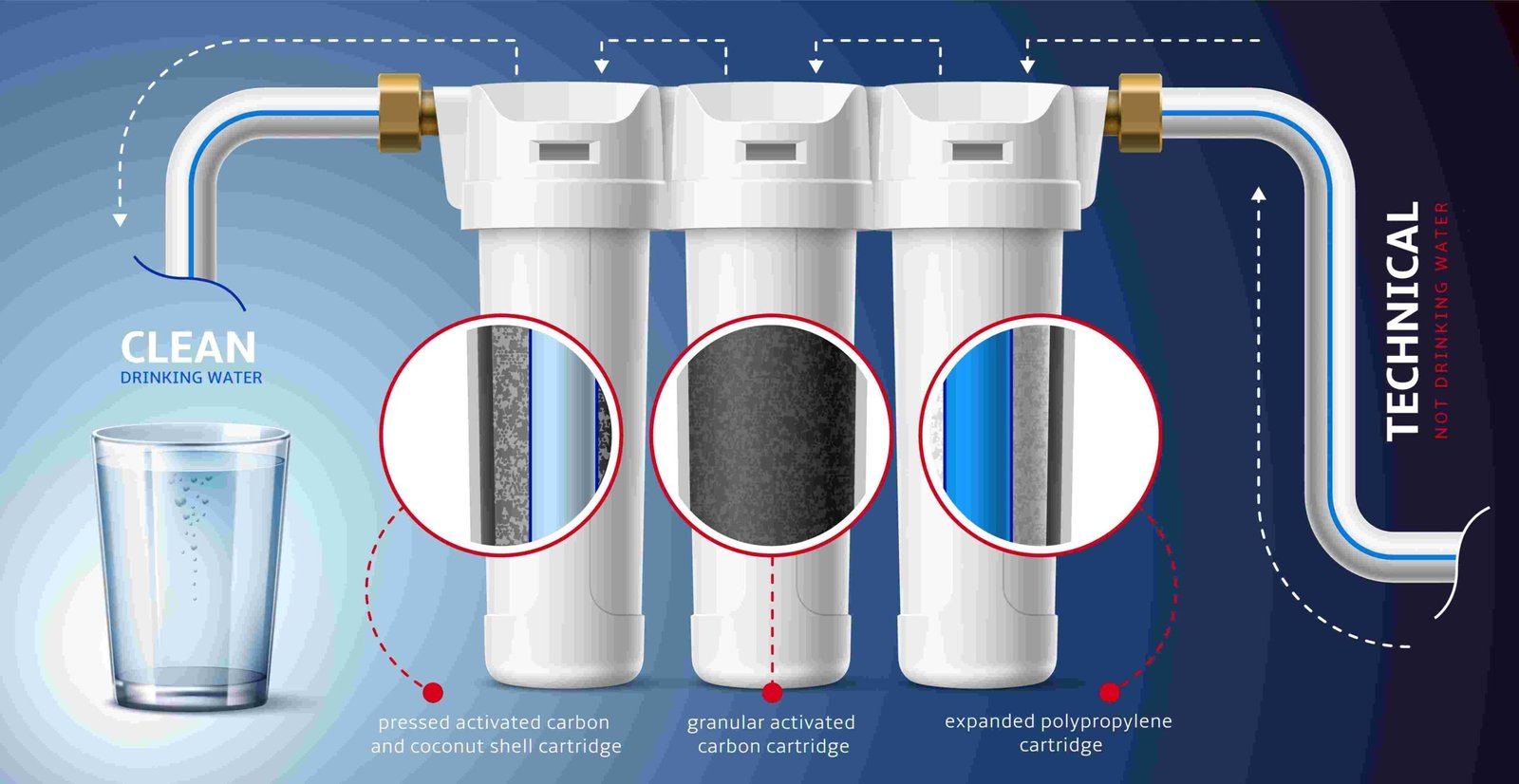
These dispensers connect directly to the water supply, providing an unlimited flow of filtered drinking water. Many models include built-in purification systems such as activated carbon, sediment filters, UV, or RO purification.
Pros:
- Unlimited purified water
- No need to purchase refill bottles
- Environmentally friendly
Cons:
- Requires professional installation
- Higher initial investment
A direct-piping water dispenser is perfect for homes and offices with high daily water consumption.
4. Tabletop Water Dispensers
Compact and space-saving, tabletop dispensers are designed for kitchens or workplaces with limited countertop space. They may use bottles or direct piping depending on the model.
Pros:
- Small and compact
- Easy to move and install
- Affordable options available
Cons:
- Smaller tank capacities
- Limited features compared to larger models
These are great for small apartments, dorm rooms, or minimalist setups.
Benefits of Using a Water Dispenser
A water dispenser is more than just a water source—it’s a lifestyle upgrade. Here are the biggest advantages:
1. Convenience and Instant Access
With a water dispenser, you can instantly access hot water for coffee or tea, cold water for refreshment, or ambient water for daily hydration. This saves time and simplifies day-to-day routines.
2. Consistent and Reliable Water Quality
Many water dispensers come with built-in filtration systems that ensure the water you drink is free from sediment, chlorine, bacteria, and unpleasant odours. This is especially important in areas where water quality varies.
3. Energy Efficiency
Compared to boiling water with a kettle multiple times per day, water dispensers are designed to maintain hot and cold temperatures efficiently. Many models include power-saving or eco-friendly modes.
4. Better Hydration Habits
Having clean, refreshing water readily available encourages everyone—children, adults, and even visiting guests—to drink more water.
5. Safety Features
Modern water dispensers often include features like:
- Child safety locks
- Anti-scalding protection
- Overheating prevention
- Spill-proof designs
These features make them family-friendly and suitable for homes with young children.
Features to Consider Before Buying a Water Dispenser
With many options available, choosing the right model requires looking at specific features. Consider the following:
1. Temperature Options
Do you need hot, cold, and ambient water? Or just cold and ambient?
2. Filtration Technology
Look for multi-stage filtration if water quality is a priority.
3. Installation Requirements
Would you prefer a plug-and-use model or a direct piping system?
4. Size and Space
Smaller kitchens may benefit from tabletop models.
5. Budget
Prices vary depending on features, filtration type, and capacity.
How to Maintain a Water Dispenser
Proper maintenance ensures safety, hygiene, and long-lasting performance. Here are essential care tips:
- Clean the drip tray and exterior regularly
- Sanitize the internal tank every few months (or as recommended)
- Replace filters on schedule if it uses purification
- Keep the area around the dispenser dry and clean
- Check for leaks or unusual noises
Regular care ensures your water dispenser continues to provide clean, fresh water.
Final Thoughts: A Simple Solution for Better Hydration
Hydration is essential for overall health, and having a reliable water dispenser at home or in the office makes it easier than ever. With various types—top-loading, bottom-loading, piped-in, or tabletop—there’s a model to fit every space and lifestyle. Modern water dispensers not only provide convenience but also improve water quality, enhance safety, and promote healthier daily habits.
Whether you’re aiming for better hydration, more convenience, or a cleaner drinking water solution, investing in a high-quality water dispenser is a smart choice. With the right model, staying hydrated becomes effortless, enjoyable, and part of your everyday routine.